INSIDE: PAPS 2023
September 19, 2023

Dr. Dunn stands with past PAPS presidents at the 2023 Annual Meeting in Bali, Indonesia.
The Pacific Association of Pediatric Surgeons (PAPS) met in Bali, Indonesia for their 56th Annual Meeting.
Stanford Division of Pediatric Surgery Chief Dr. James Dunn presided over the meeting.
“The meeting was well attended with more than 380 people from 25 countries,” said Dunn. “We enjoyed hearing about the Indonesian cultures and learned from different surgical practices.”
In lieu of a presidential address, as is the PAPS custom, Dunn invited Dr. Tom Krummel, professor emeritus, to present the Journal of Pediatric Surgery Lecture. Additionally, several Stanford faculty and trainees presented their work:
- General Surgery Resident Dr. Madeline Adams presented “Regional block via single-shot caudal to avoid intubation for open inguinal hernia repair in neonates.”
- General Surgery Resident Dr. Taylor Anderson presented “Ileal Lengthening through Internal Distraction: A Novel Procedure for Short Bowel Syndrome.”
- Associate Professor Dr. Claudia Mueller presented “Managing a New Diagnosis of Anorectal Malformation: A Provider Guide.”
“There is a continued need for more pediatric surgeons in low- and middle-income countries,” said Dunn. “We will continue our efforts to bridge this gap and improve pediatric surgical care.”

PAPS members join in the annual sing-along

Lyrics to the PAPS USA song.
Singing, Karaoke and Dancing by 20+ countries at a Surgery conference? - only at #PAPS23. Thank you Bali for hosting an amazing meeting, volcano tour included. Congrats Pres. James Dunn for your leadership. #PAPS24 in Hong Kong! @PAPSPedSurgery pic.twitter.com/S9FUR6X7dI
— Romeo Ignacio (@RomeoIgnacio18) September 14, 2023
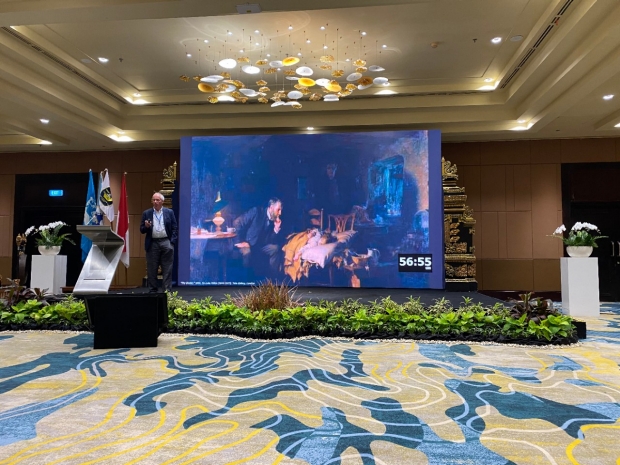
Prof. Emeritus Dr. Tom Krummel presents the Journal of Pediatric Surgery Lecture.
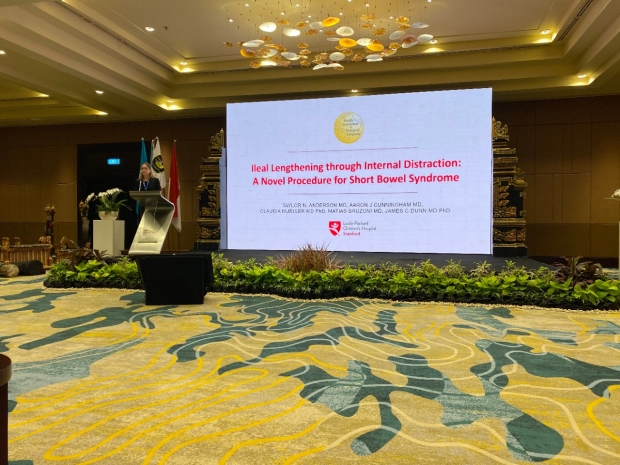
Dr. Taylor Anderson presents her research.
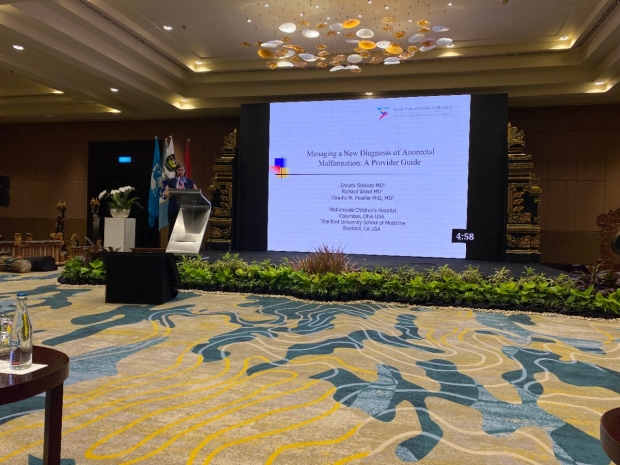
Dr. Claudia Mueller presents her research.
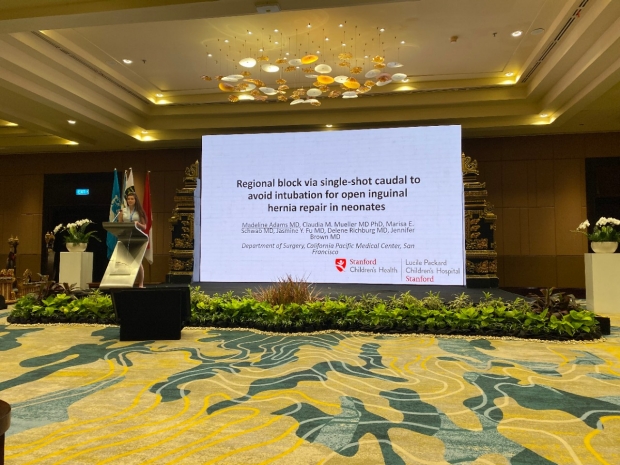
Dr. Madeline Adams presents her research.
Related Reading
 – Surgery
HTTC: Dr. James Dunn, Pacific Association of Pediatric Surgeons
This article is part of a series of interviews with Stanford Surgery faculty who were, are, or will be presidents of surgical societies. Dr. James Dunn is Chief of the Division of Pediatric Surgery and will be sworn in as the President of the Pacific Association of Pediatric Surgeons in September at their annual meeting.


Media Contact

Bio
About Stanford Surgery
The Stanford University Department of Surgery is dedicated to inventing the future of surgical care through:
• pioneering cutting-edge research,
• developing the next generation of leaders, and
• healing through incomparable surgical skills and compassion.
To learn more, please visit surgery.stanford.edu
The Latest
 Surgery
Forrester & Bendjemil Receive 2024 CIGH Seed Grant Funding
The Stanford Department of Surgery is delighted to announce the awarding of a Center for Innovation in Global Health (CIGH) Seed Grant to Drs. Joe Forrester and Samy Bendjemil for a project aimed at improving trauma education and care in Burkina Faso.
 Surgery
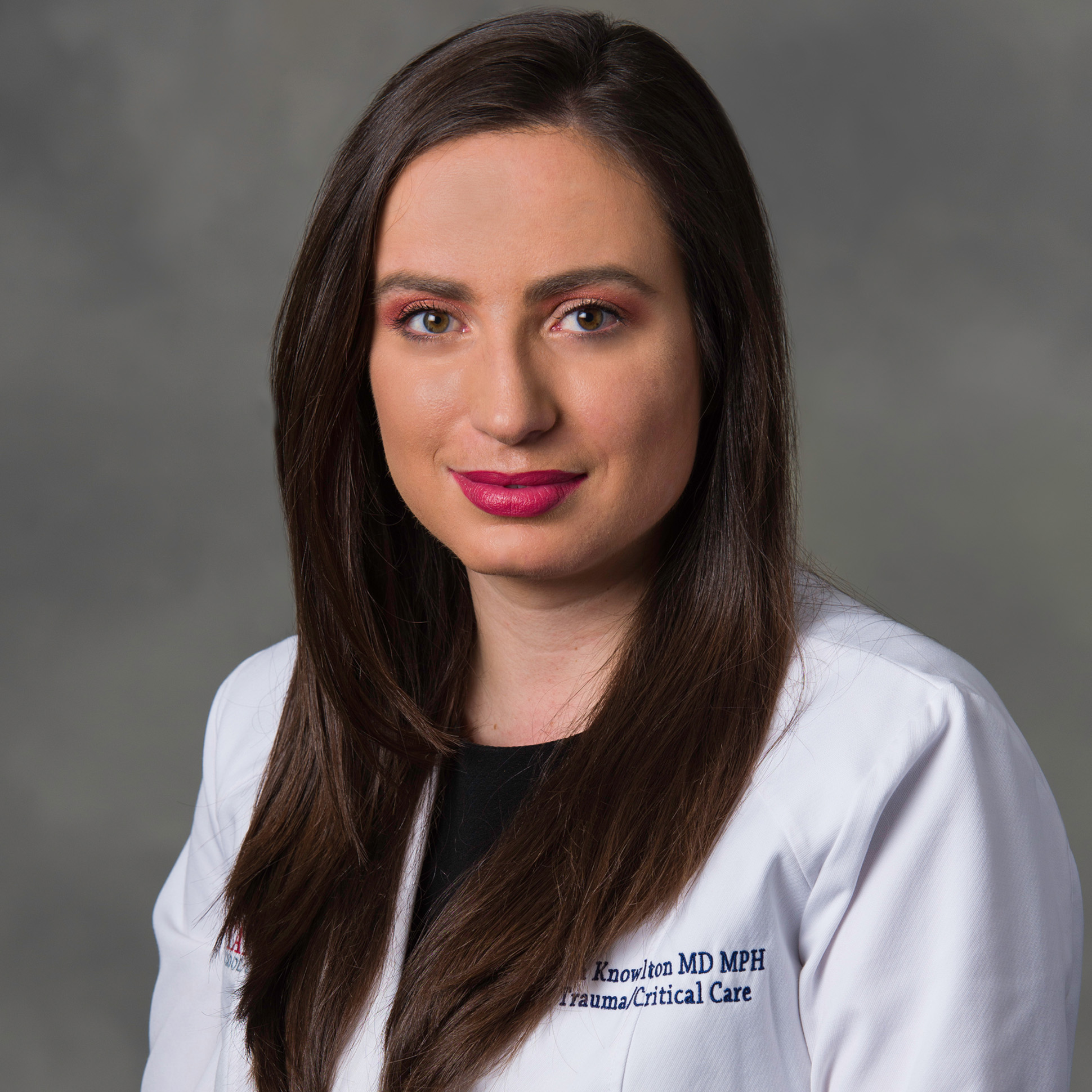
Dr. Knowlton Selected for ACS, AWS Leadership Programs
Dr. Lisa Knowlton was named one of 15 Health Policy Scholars by the American College of Surgeons and the Association of Women Surgeons' 2024 "Breaking the Glass Ceiling” Leadership Education cohort.
 Surgery
Dr. Mueller Named Chair of CPMC Peds Department
Dr. Claudia Mueller has been named Chair of the Department of Pediatrics at California Pacific Medical Center (CPMC).
 The Black Chronicle
Scarring: “You Die From A Burn Or You Live With Pain And Disfigurement”
Podcast featuring Dr. Michael Longaker
 Division of Plastic & Reconstructive Surgery
Threads of Unity: A Craniofacial Picnic Annual Tradition
On Sunday, June 2, 2024, the 7th Annual Craniofacial Family Picnic for patients of the Lucile Packard Children's Hospital Cleft and Craniofacial Center and their families took place, sponsored by the lab of Dr. Derrick Wan and the Creating Smiles fund.
 Surgery
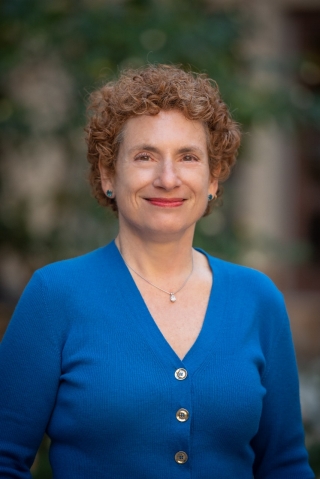
World Surgery Journal Announces Dr. Wren is new EIC
World Surgery Journal announced yesterday that Dr. Sherry Wren has accepted the position as Editor-in-Chief. World Surgery Journal is the official journal of the International Society of Surgery (ISS), aka the Societe Internationale de Chirurgie (SIC).
 Surgery
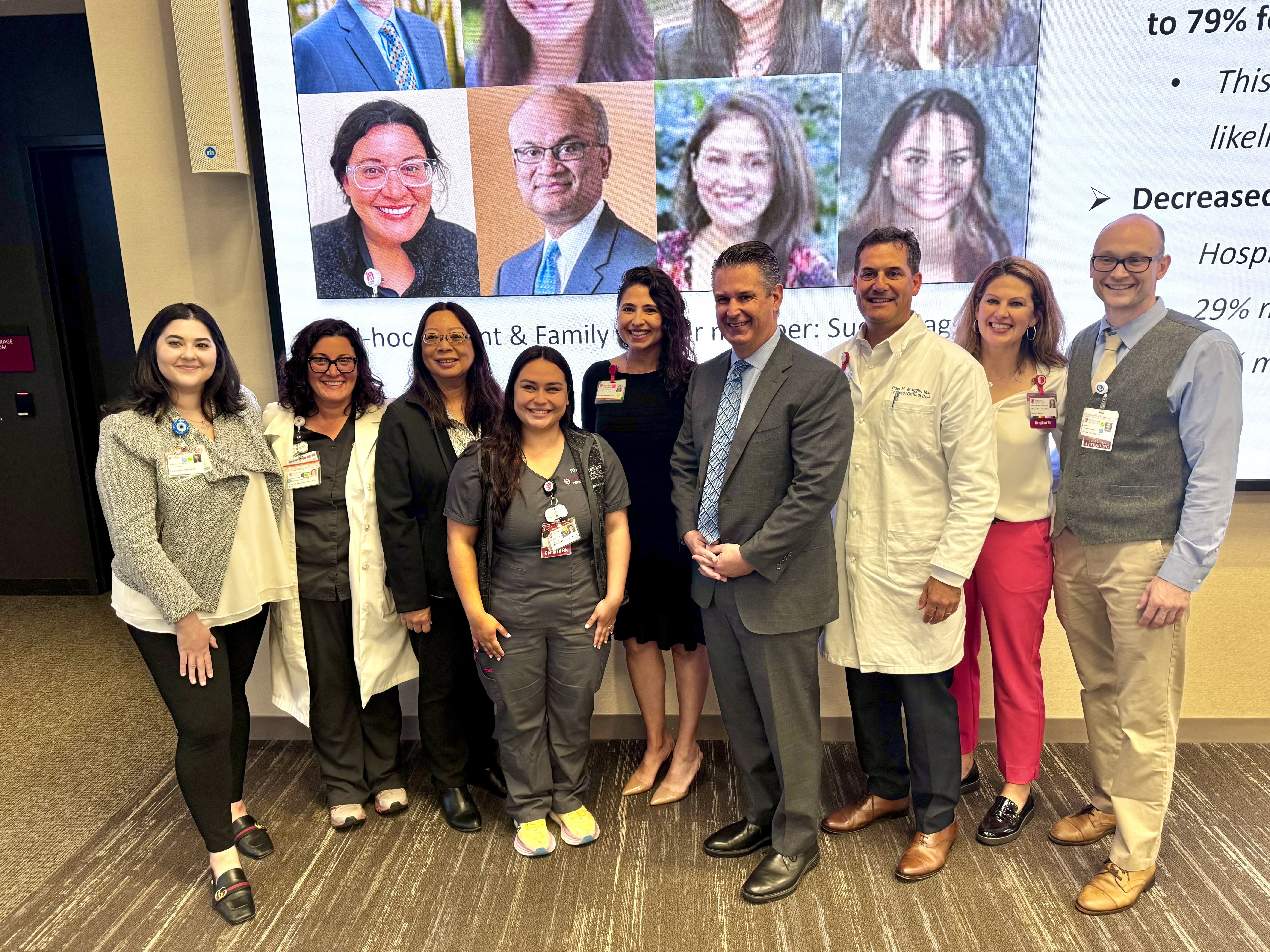
Dossabhoy et al Receive SHC QPI Award
The project “Reducing Hospital Length of Stay after Carotid Endarterectomy and Endovascular Aneurysm Repair has been selected as the inaugural winner of Stanford Health Care's Quality & Performance Improvement (QPI) Award.
.jpeg) Division of Plastic & Reconstructive Surgery
Division of Plastic & Reconstructive SurgeryDr. Sheckter Receives ABA Peter Brigham Award
Dr. Clifford Sheckter received the Peter Brigham Award at the American Burn Association (ABA) Annual Meeting which took place April 9-12, 2024 in Chicago, IL. He won the award for his work on Home Oxygen Therapy, a treatment that provides additional oxygen to individuals recovering from burn injuries.
 Surgery
First Global Grand Rounds Speaker: Dr. Kristin L. Long
On May 7th, Global Engagement hosted Dr. Kristin L. Long, the 2024 Society of University Surgeons (SUS) Global Surgery Scholarship awardee who delivered a talk entitled “Turbulence: Bumps in the Road of Hybrid Global Surgery Efforts.”
 Surgery
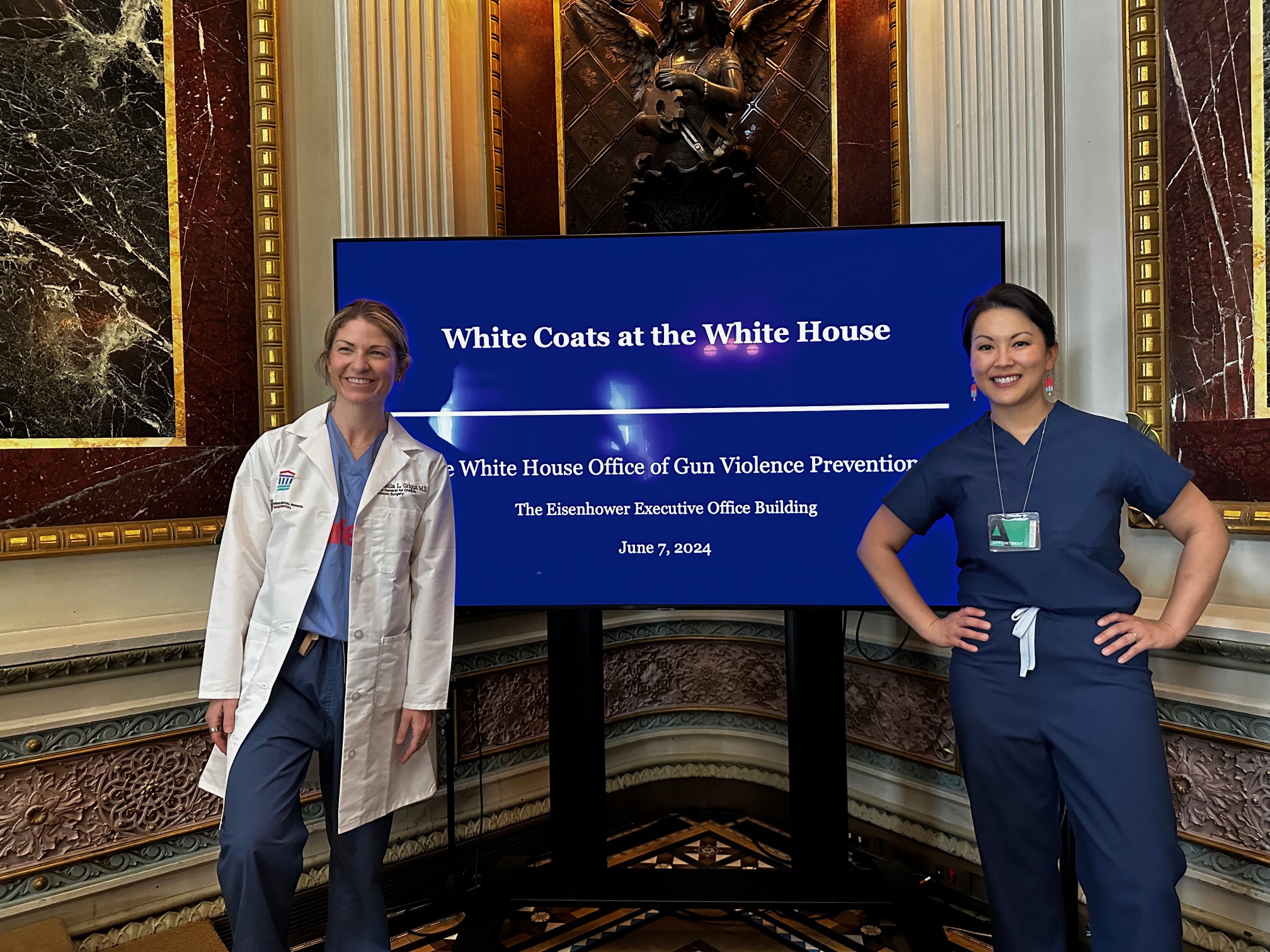
Dr. Chao Attends White Coats at the White House
Dr. Stephanie Chao, an associate professor in the Division of Pediatric Surgery attended the White Coats at the White House event and spoke about gun violence prevention on Friday, June 7.